Beams Engine Services: Strengthen Your Vehicle's Potential Today
Beams Engine Services focuses on enhancing vehicle performance through advanced diagnostics and customized approaches. Their expert team focuses on critical metrics such as power and thrust, ensuring vehicles operate efficiently. With options for tuning and upgrades, they address both performance and emissions. As more vehicle owners aim to optimize their vehicle's potential, understanding the benefits and methods of engine optimization becomes essential. What possibilities await those ready to enhance their automotive journey?
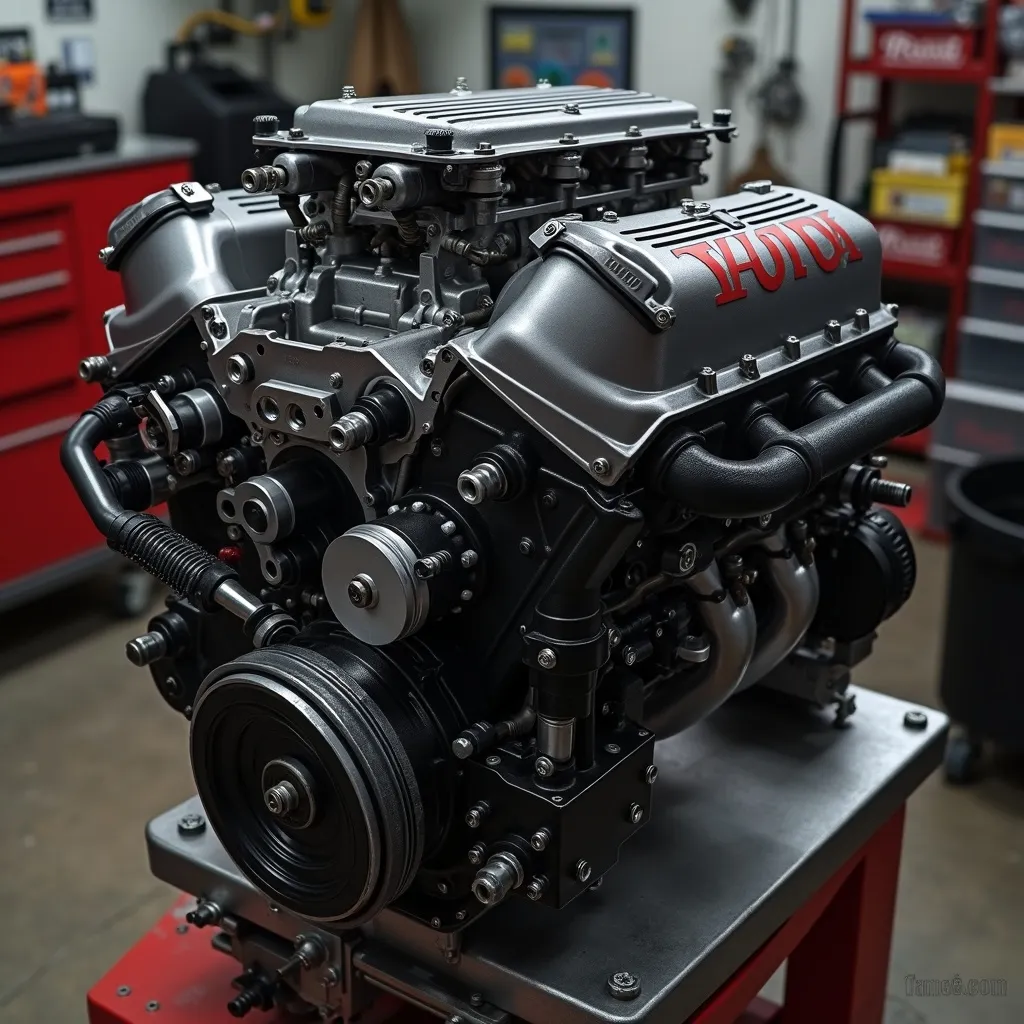
Primary Aspects of Engine Behavior: Critical Values Expounded
Engine performance is a significant component of vehicle efficiency and power. Several key measurements determine how well an engine operates. Horsepower indicates the engine's ability to perform work, indicating how fast a vehicle can gain speed. Torque, on the other hand, refers to the rotational force generated by the engine, essential for activities like towing and climbing hills.
Another essential indicator is fuel efficiency, often expressed in miles per gallon (MPG). This figure evaluates how efficiently an engine converts fuel into motion, significantly affecting operating costs. Additionally, engine quickness is essential; it gauges how quickly an engine can respond to driver inputs, impacting overall driving experience.
Lastly, emissions output is becoming more important, reflecting the engine's ecological footprint. Comprehending these measurements allows vehicle owners to assess efficiency, ensuring informed decisions regarding maintenance and upgrades, ultimately improving their driving experience.
The Way We Optimize Your Vehicle's Efficiency
To boost vehicle output, cutting-edge analysis methods are applied to identify underlying complications. These strategies provide a clear understanding of a vehicle's condition, allowing the implementation of strategic improvement initiatives. By managing both diagnostics and improvements, ideal vehicle functionality can be obtained.
Cutting-Edge Diagnostic Techniques
Revealing a vehicle's full potential requires precise and advanced diagnostic techniques. At Beams Engine Services, experienced technicians utilize modern tools and software to detect underlying issues that may hinder performance. These diagnostic methods include extensive scanning of onboard systems, interpreting engine codes, and conducting detailed performance assessments. By examining parameters such as fuel efficiency, ignition timing, and exhaust emissions, technicians can pinpoint inefficiencies that affect overall operation. Additionally, advanced diagnostic techniques facilitate the prompt identification of potential problems, allowing for timely interventions. This proactive approach not only enhances vehicle reliability but also guarantees peak functionality. Ultimately, these meticulous assessments form the foundation for tailored performance improvements, setting the stage for a vehicle that operates at its best.
Productivity Upgrading Resources
After detecting performance issues through advanced diagnostic techniques, the focus moves toward implementing performance enhancement solutions. Beams Engine Services specializes in a variety of modifications created to optimize engine output. These solutions include upgraded intake systems, exhaust systems, and engine tuning, all intended to improve power and acceleration. Additionally, the team provides suspension improvements and brake enhancements, ensuring that vehicles not only perform better but also handle more effectively. By employing premium components and expert installation, Beams Engine Services ensures enduring results. Regular service inspections are also highlighted to maintain improved capabilities over time. Ultimately, these tailored solutions provide drivers with a more engaging and satisfying ride, elevating their vehicle's capabilities to new heights.
Engine Performance Improvements: What Choices Are Available?
What options exist for improving engine performance? Vehicle drivers have multiple avenues to explore, each catering to different performance goals. One preferred upgrade is the addition of a performance-enhancing air intake system, which can increase airflow and improve combustion efficiency. Another choice includes upgrading the exhaust system, permitting for better expulsion of gases, which can boost power output.
Modifying the engine's electronic control unit is an additional powerful method, optimizing fuel delivery and ignition timing for improved efficiency. For those looking for more substantial power gains, forced induction systems can be installed, compressing air entering the engine for increased performance.
To summarize, upgrading fuel injectors and using high-octane fuel can also promote more superior engine performance. Each of these possibilities presents varied benefits, enabling vehicle owners to modify their upgrades matching their performance aspirations and driving needs.
Top 5 Key Benefits of Improved Engine Efficiency
An improved engine efficiency provides a range of advantages that can significantly boost a vehicle's general functioning and ride quality. First, it leads to better fuel economy, enabling drivers to go farther on less fuel, reducing total expenses. Second, enhanced efficiency often results in reduced pollutants, promoting a more environmentally friendly operation. Third, an efficient engine can deliver more power, delivering faster speed gains and better reaction time, which can substantially enhance the ride quality. Fourth, optimized engine functioning can result in less engine deterioration, extending the lifespan of critical components and reducing maintenance costs over time. Finally, enhanced engine efficiency can result in reduced noise, enhancing interior comfort and reducing sound pollution. Collectively, these advantages present a convincing case for why vehicle owners should prioritize engine efficiency when evaluating performance upgrades.
How Technology Enhances Engine Performance
In modern automotive engineering, tech serves as a crucial component in optimizing engine performance. Advanced diagnostic tools provide real-time data, allowing for quick identification of issues and enhancing overall efficiency. Additionally, precision tuning techniques allow technicians to fine-tune engines for maximum power and fuel economy.
Advanced Diagnostic Tools
Using the strength of sophisticated diagnostic equipment transforms engine optimization, allowing mechanics and car enthusiasts alike to identify operational problems with accuracy. These instruments, equipped with state-of-the-art technology, provide immediate information that showcases motor performance indicators. By leveraging onboard diagnostics, technicians can rapidly evaluate error codes and pinpoint malfunctions, streamlining the diagnostic procedure. Additionally, software applications analyze automotive specifications, permitting for comprehensive evaluations of fuel efficiency, exhaust output, and overall engine health. This data-driven approach enhances decision-making processes, ensuring that repairs are focused and successful. Ultimately, sophisticated diagnostic equipment not only enhance the accuracy of motor evaluations but also lead to extended car longevity and enhanced performance, rendering them indispensable in modern automotive service.
Accurate refinement techniques for maximizing performance
Testing equipment that are advanced create opportunities for precision tuning techniques, which take advantage of digital systems to adjust engine performance. These approaches rely on the application of digital tools to examine engine parameters continuously, reference permitting fine-tuning that improve fuel efficiency and power generation. By using sophisticated computational methods and performance analysis, specialists can locate inefficiencies and execute required adjustments to spark timing, fuel-air proportions, and beyond. Furthermore, dynamometer evaluation delivers essential insights regarding performance adjustments, verifying that all modifications produces measurable improvements. Through precision tuning, automobiles can attain better reaction time and general dependability. Such a technical strategy not just maximizes capabilities but furthermore aids longevity, making precision tuning a vital element of modern engine optimization.
Success Stories: How Engine Optimization Changed Lives
Engine optimization has transformed countless lives, boosting not only driving capability but also the overall ride itself. For many drivers, the benefits have been impactful. One person, a young startup founder, reported that after optimizing his vehicle's engine, he felt a significant increase in fuel efficiency, helping him to save money on gas and allocate funds in his growing business. Another remarkable account comes from a family who, after engine tuning, found their journeys more rewarding due to improved acceleration and control, fostering special memories on the open road.
Additionally, car enthusiasts have discovered that performance tuning not only boosts horsepower but also elevates overall pleasure with their vehicles. The exhilaration of driving a expertly optimized engine has reignited passions for many, making each adventure memorable. These narratives exemplify how engine optimization at Beams Engine Services transcends mere mechanics, impacting lives and creating meaningful relationships between drivers and their vehicles.
How to Begin With Beams Engine Services?
To begin the journey of improving car efficiency with Beams Engine Services, vehicle owners should first conduct comprehensive investigation on the different offerings offered. This includes learning about engine tuning, power enhancements, and diagnostic services customized to particular car models.
Next, prospective customers should assess their vehicles' current states and determine particular performance objectives, such as improved horsepower or gas mileage. Speaking with knowledgeable staff at Beams Engine Services can provide guidance into the most beneficial options for each vehicle's needs.
Setting up an preliminary meeting is required, as it enables drivers to explore their objectives and get bespoke recommendations. Moreover, reviewing client feedback and endorsements can support in evaluating the reliability and performance of the services.
Finally, motorists should get ready for any required maintenance or fixes, making sure their vehicles are prepared for optimal efficiency enhancements. By following these guidelines, drivers can effectively initiate their performance-enhancing experience with Beams Engine Services.
Popular Inquiries Asked Often
What duration Should You anticipate for an Engine Performance Upgrade?
An engine performance tuning usually takes between a few hours to several days, according to the level of complexity of the alterations and the specific vehicle. Proper preparation and timing can greatly influence the total timeframe.
Would Performance Alterations Revoke My Vehicle's Warranty Coverage?
Performance improvements could potentially void a vehicle's warranty, depending on the manufacturer's policies. It is essential for vehicle owners to assess warranty terms and speak to professionals to recognize the implications of modifications before proceeding.
Which Types of Vehicles Can Gain From Your Services?
Several automobiles can take advantage of performance upgrades, including sports cars, trucks, and SUVs. Enhancements can enhance speed, handling, and fuel efficiency, drawing interest from automotive enthusiasts and typical drivers seeking a more dynamic driving experience.
What Potential Risks Come With Engine Performance Enhancements?
Yes, motor efficiency upgrades can create hazards such as greater deterioration, possible heat buildup, and voiding warranties. Proper evaluation and expert advice are essential to reduce these dangers and guarantee secure alterations.
How Often Should I Maintain My Engine for Peak Performance?
For peak operation, an engine should be maintained every 5,000 to 7,500 miles, depending on the vehicle and driving conditions. Scheduled upkeep assures durability and optimal performance, reducing the chance of expensive fixes and mechanical problems.